Dispute Resolution and the Supreme Court of Truth
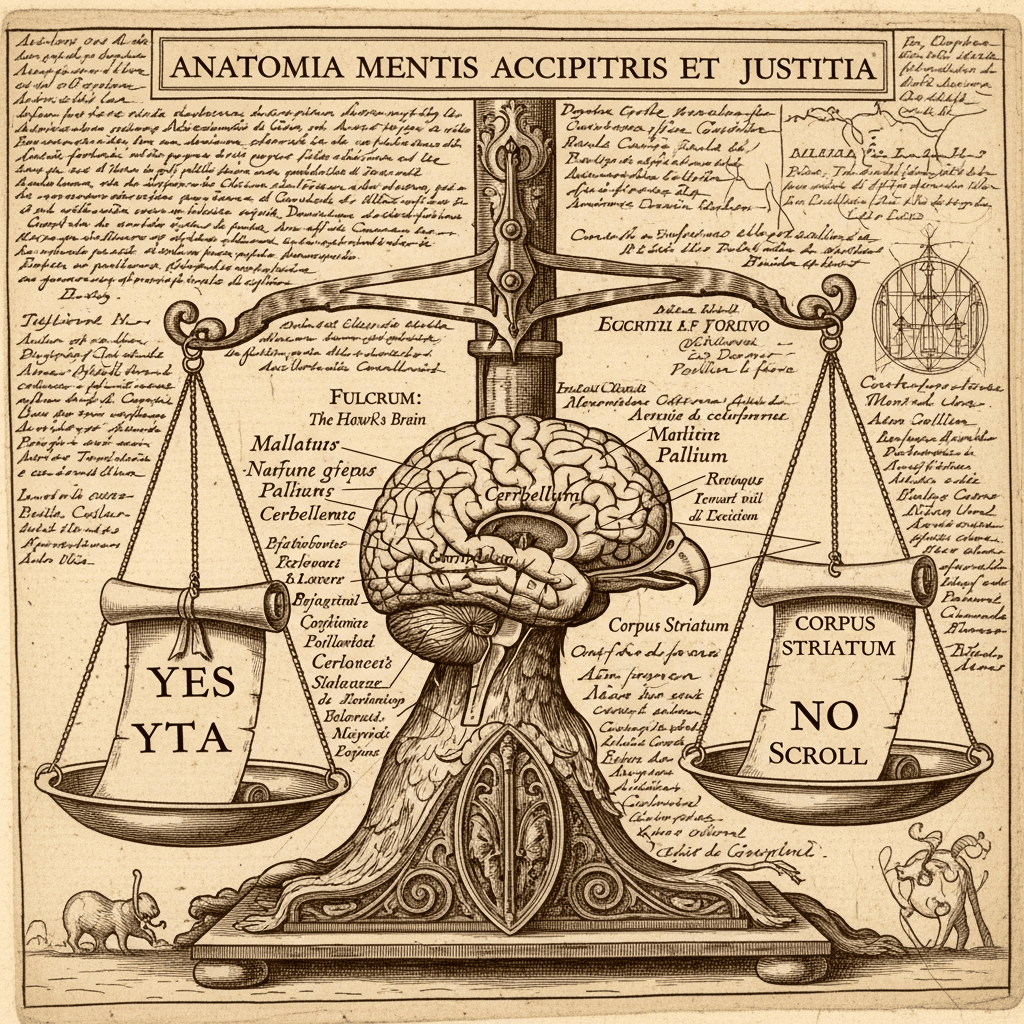
When the "Wisdom of the Crowds" disagrees, who has the final word? In the HORUS protocol, we have built a multi-layered Dispute Resolution System that functions as a decentralized supreme court for real-world data.
The Escalation Ladder
Most markets resolve peacefully through our Bond-Escalation mechanism. However, when an outcome is highly controversial, the system initiates a tiered resolution process:
- The Initial Proposal: A user posts a bond and a result.
- The Challenge: A dissenter doubles the bond to claim the opposite result.
- Iterative Escalation: This can repeat up to three times, with the cost of participating doubling at each step. This filters out "casual" noise and ensures only those with high confidence (and high stake) remain.
- DAO Finality: If the escalation reaches the protocol limit, the market is moved to a DAO Vote.
The Global Jury
When a market reaches the DAO, all HORUS stakers become jurors. They are presented with the market question, the provided rules, and the evidence from the real world.
Stakers vote on the correct binary outcome. To incentivize honesty, the winning side of the vote receives a portion of the bonds posted by the losing side in the earlier escalation phases. This creates a powerful economic incentive for the global jury to reach the most accurate conclusion.
Finality on Hedera
By utilizing Hedera's Fair Ordering and State Proofs, the resolution of a dispute is verifiable and permanent. There are no "re-trials" or administrative overrides. Once the DAO has spoken and the Hedera network reaches consensus, the truth is finalized.