The Architecture of the HORUS DAO: Governance on Hedera
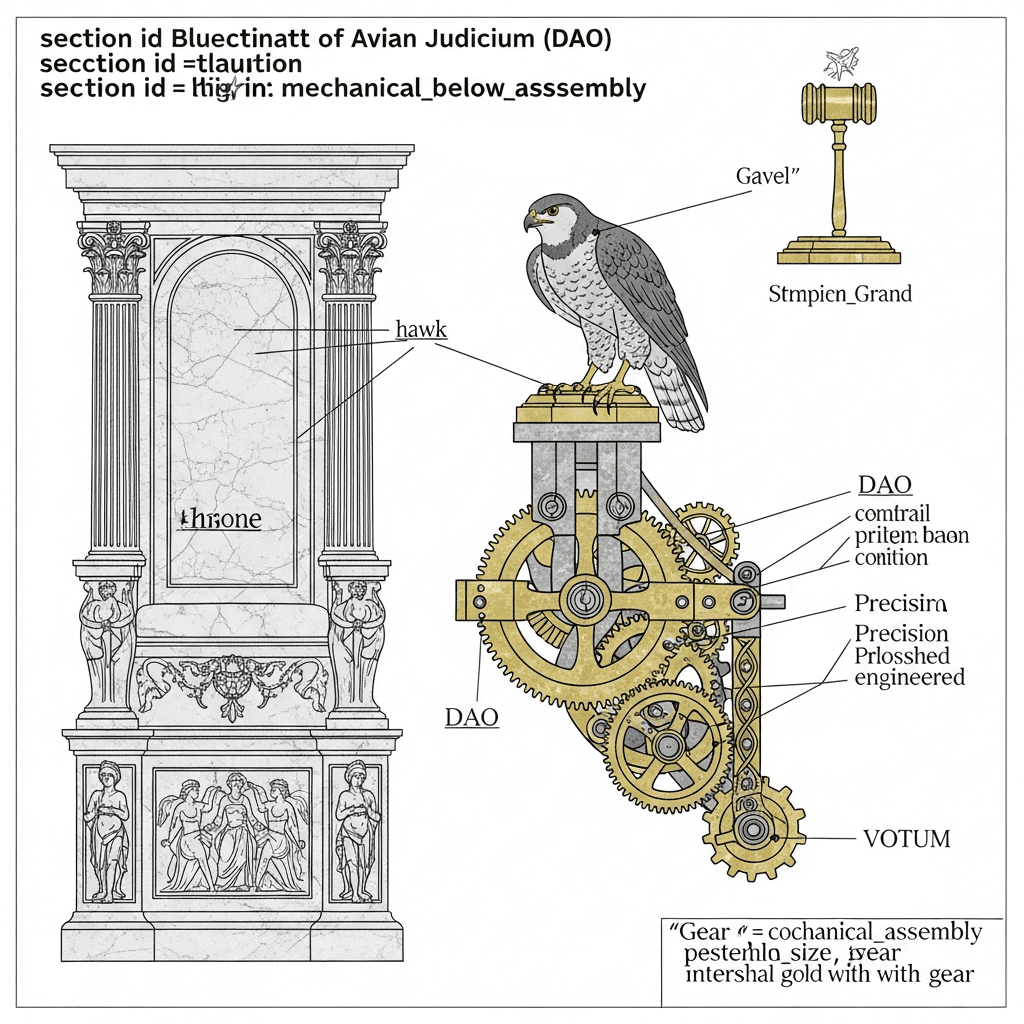
Decentralization is not just a technical feature—it is a governance imperative. The HORUS DAO is the governing heart of our protocol, designed to ensure that no single entity can control the flow of truth on the Hedera network.
Voting Power: Skin in the Game
In the HORUS DAO, voting power is directly proportional to the amount of HORUS tokens a participant has staked in the protocol. This "Proof of Stake" governance model ensures that those who have the most to lose from an inaccurate oracle are those who have the most say in its operation.
Unlike traditional corporate boards, the HORUS DAO is open to anyone. Whether you stake 100 HORUS or 1,000,000, your voice is recorded on the Hedera Ledger, providing a transparent and immutable record of every protocol decision.
Governance Scopes
The DAO manages critical protocol parameters that keep HORUS secure and competitive:
- Fee Structures: Adjusting the cost of market creation and the redistribution percentages.
- Bond Ratios: Setting the minimum bonds required for proposals and the escalation multipliers.
- Challenge Windows: Defining the optimal timeframes for market participants to respond to data proposals.
- Upgrade Management: Approving the deployment of new smart contract versions or implementation templates.
The Veto Guard
To prevent "governance attacks" where a large holder might try to push through a malicious proposal, HORUS features a Veto Guard mechanism. If a proposal reaches a specific negative threshold within the voting period, it can be vetoed, triggering a secondary review phase. This safety valve is critical for maintaining long-term protocol integrity.